
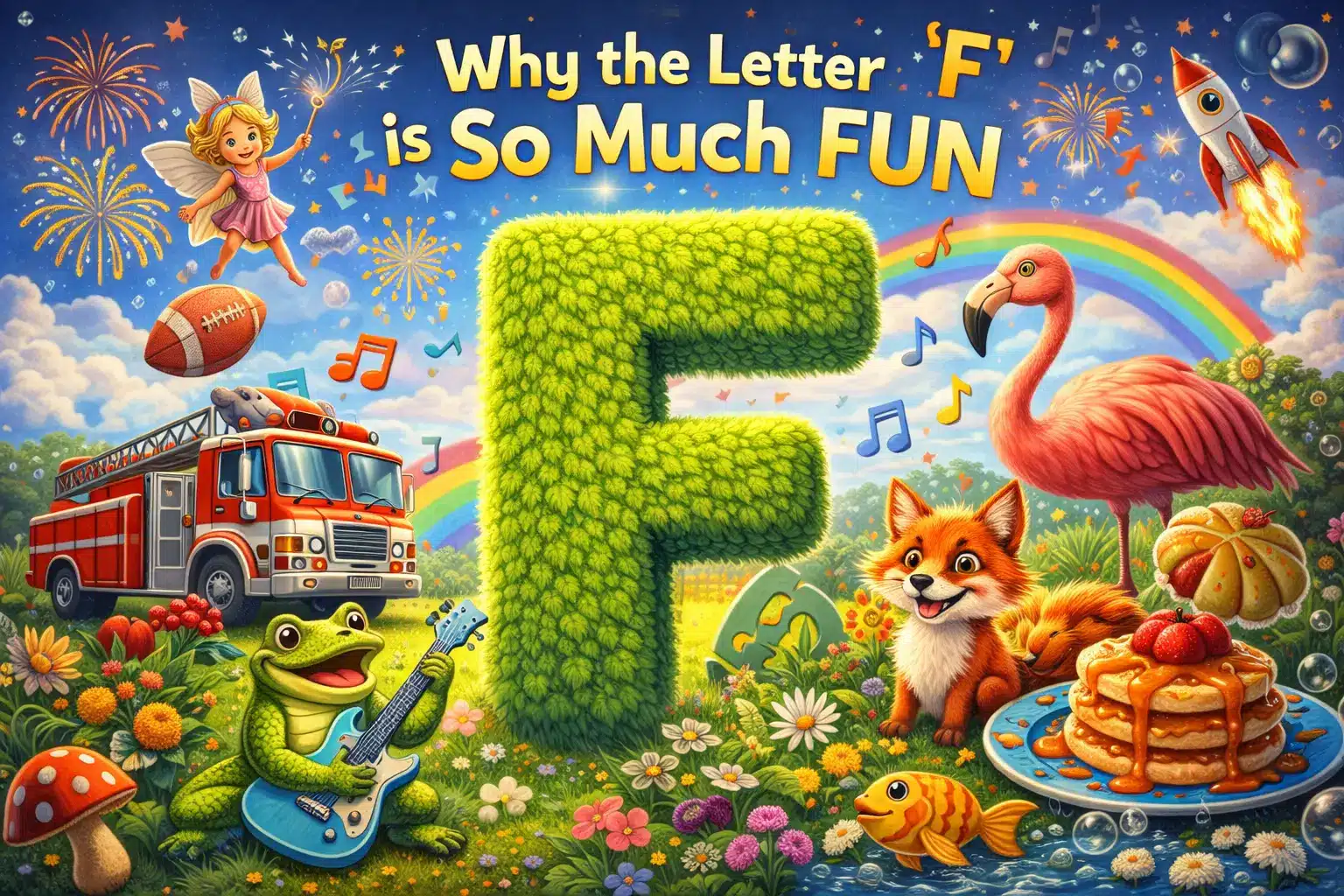
Frogs are naturally appealing to children. They jump, they make funny sounds, and they undergo one of nature’s most dramatic transformations—metamorphosis. Many children, like my own daughter, love to mimic the “ribbit” sound and hop around the living room.
By associating the visual shape and sound of the letter “F” with a “Frog,” you are utilizing multisensory learning. This helps children with phonetic awareness and letter recognition, turning a dry lesson into a memorable play session.
Exploring the Lifecycle of a Frog
While your glue is drying, it’s the perfect time to talk about how a frog grows. You can use this craft to illustrate the four main stages:
- The Egg: Tiny clusters found in the water.
- The Tadpole: A fish-like creature with a tail that breathes through gills.
- The Froglet: A transitional stage where the tail shrinks and legs begin to sprout.
- The Adult Frog: The final stage where they can live on land and in water.
Supplies Needed for the F for Frog Craft
One of the best parts of this project is its versatility. We love using an old CD as a base because it provides a sturdy, shiny foundation and encourages recycling. However, if you don’t have one, a circle of stiff cardboard works just as well.
Materials:
- The Base: An old CD or a 5-inch cardboard circle.
- Fabric/Paper: Dark green, light green, and red (use Felt for a fuzzy texture, or Construction Paper/Craft Foam for a smoother look).
- Eyes: Large googly eyes (the bigger, the sillier!).
- Tools: Scissors and a Pencil for tracing.
- Adhesive: A glue gun (for adults) or a strong glue stick (for kids).
- Template: Our printable F for Frog template.
Step-by-Step Instructions: Building Your Frog
1. Prepare Your Templates
Download and print the F for Frog template. This includes the frog’s head, four legs, the long tongue, and the characteristic spots. Trace these onto your chosen materials.
- Dark Green: The main head and legs.
- Light Green: The circular spots for the head.
- Red: The long, curling tongue.
2. Cover the CD
Since the CD serves as the “body,” we want to hide the shiny surface (unless you want a disco-frog!). Trace the CD onto your dark green felt or paper twice. Cut out the circles and glue them to both sides of the CD. This gives your frog a consistent, high-quality finish.
3. Assemble the Head
Glue the head shape onto the top third of the CD. Before sticking it down, decide where you want your frog to be “looking.”
- The Spots: All frogs have unique patterns! Glue the smaller light green circles onto the top of the head to give him some texture and character.
- The Eyes: Place the googly eyes at the very top of the head. Large eyes make the frog look curious and friendly.
4. The Famous Froggy Tongue
Frogs are known for their lightning-fast tongues. Take your red strip of paper or felt and wrap it tightly around a pencil to give it a “curl.” Glue one end of the tongue near the bottom of the head.
5. Adding the Limbs
Alligators and lizards crawl, but frogs are built for leaping!
- Back Legs: Glue the larger leg cutouts to the bottom sides of the CD.
- Front Legs: Glue the smaller legs toward the middle-front.
- Tip: If you want your frog to “sit up,” you can fold a small tab at the end of each leg before gluing them to the base.
Educational Extensions: Frog Facts for Kids
To make this a full lesson plan, share these “Did You Know?” facts with your little crafters:
- Drink through skin: Frogs don’t drink water with their mouths; they absorb it through their skin!
- Group Name: An old name for a group of frogs is an “Army.”
- World Travelers: Frogs are found on every continent except Antarctica.
- Night Vision: Frogs have excellent night vision and are very sensitive to movement.
SEO Strategy for Teachers and Parents
If you are sharing your results online, using specific keywords can help other parents find your project. Focus on terms like “Preschool Letter F Activities,” “Recycled CD Crafts for Kids,” and “Amphibian Lesson Plans for Kindergarten.” Creating a “Letter of the Week” series on a blog is a great way to build a community of educators. Google’s crawlers prioritize content that is organized, provides clear instructions, and uses high-quality, original images. Always remember to use Alt Text on your photos, describing the frog craft in detail for accessibility.
AdX and AdSense Compliance: Quality Matters
When creating content for educational sites, it is vital to ensure the information is accurate, safe, and original.
- Safety First: Always include a reminder that glue guns should be handled by adults.
- User Value: Ensure your printable template is easy to find and that your instructions are broken down into logical steps.
- Authenticity: Avoid “keyword stuffing.” Write for the human reader first, ensuring the tone is warm and encouraging for parents and children alike.
Final Thoughts
This F for Frog Craft is a fantastic way to blend art with literacy. It takes a simple recycled item—a CD—and transforms it into a character that can help a child remember the letter “F” for a lifetime.
When your child finishes their craft, ask them to give their frog a name. Names like “Finnegan,” “Freddie,” or “Fiona” all help reinforce the “F” sound! Hang them up on a “Lilly Pad” bulletin board to create a beautiful pond scene in your home or classroom.